John Yang:
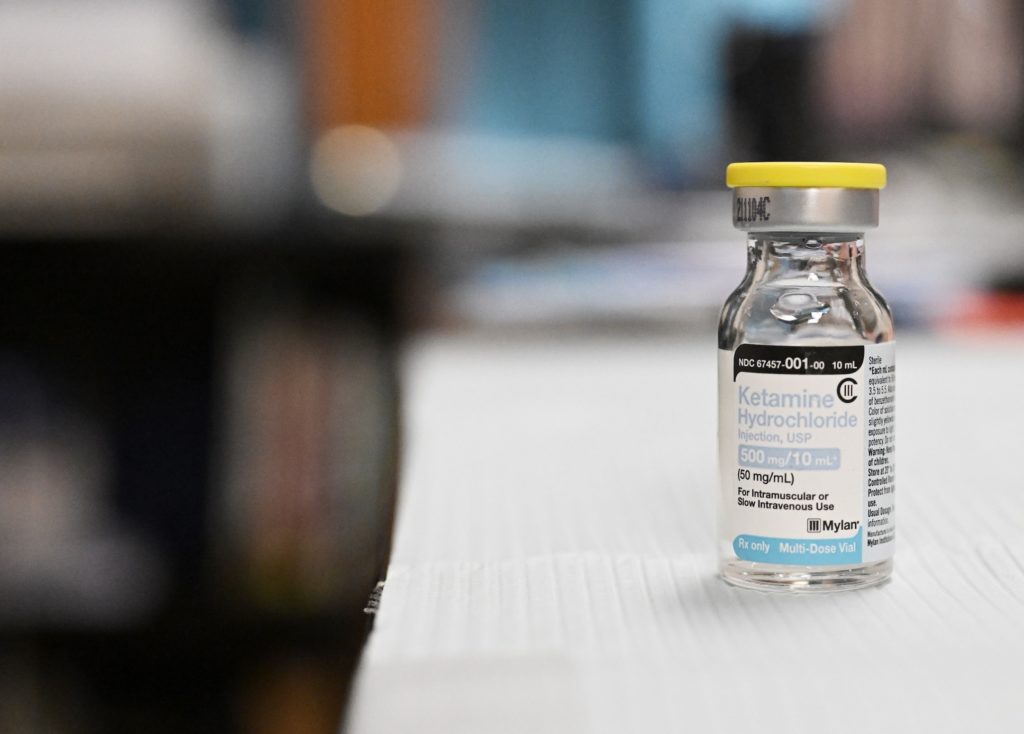
A coroner's determination that actor Matthew Perry died from the acute effects of ketamine is drawing new attention to the drug. It's a powerful anesthetic intended for use during surgery. But it's also become a popular treatment for some mental health problems. And because of its psychedelic effects, it's also used recreationally.
Perry's autopsy reports as the 54-year-old actor was on ketamine therapy, but that the level in his system was too high to have come from his last known therapy session. According to a healthcare analytics firm since 2017, ketamine prescriptions have shot up 500 percent for profit clinics and telehealth services prescribe it for chronic pain, depression, anxiety, and other conditions, none of which are approved by the Food and Drug Administration.
Medical professionals warn there's limited research into the effects of long term ketamine use. Dr. Caleb Alexander is a professor of epidemiology and medicine at the Johns Hopkins Bloomberg School of Public Health. Dr. Alexander, thanks for being with us.
First of all, just tell us what does ketamine do and why would it be preferable in surgery over something else?
Dr. Caleb Alexander, Johns Hopkins Bloomberg School of Public Health: Well, ketamine is a very rapidly acting anesthetic, and it was developed in the 1960s to treat people with battlefield trauma and in highly supervised clinical settings, like an operating room.
And so in this instance, it was well studied and the Food and Drug Administration approved it, believing I think, rightly that it was safe and effective in these settings.
ncG1vNJzZmivp6x7sa7SZ6arn1%2Bjsri%2Fx6isq2ejnby4e9OhnGaqmai4tHnAp5tmqpWsrrOw0mamn2Wgp7K0r9GimaKml2K4psDApqCnnV2bvLN5z5qgp2WRo7FuucSnq5qkXZ2yorjToQ%3D%3D